
The Challenge
While XING enjoys high brand awareness, it was not yet perceived by all target groups on social media as a job portal and approachable career companion. We needed to further build relevance and rapport, particularly with younger audiences.
At the same time, community management faced a challenging sentiment that required active and sensitive engagement. Recurring brand faces, serial formats, and clearly differentiated channel roles had not yet been consistently established.
Our task was therefore to strategically sharpen the existing social media direction, make it more consistently tangible across all touchpoints, and build greater recognition and relevance, especially among a younger target group.
Implementation
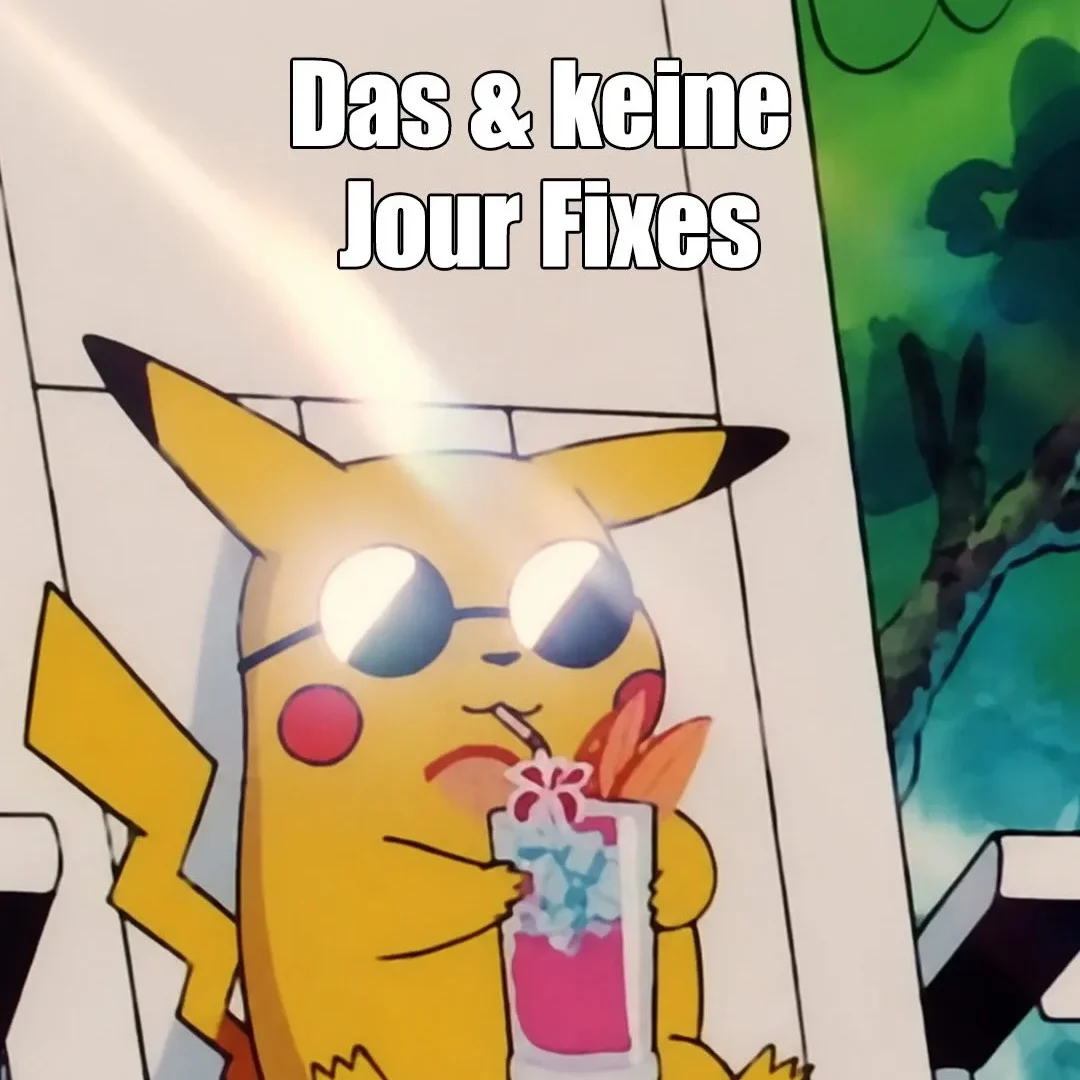
In a strategy kick-off, we developed a social ecosystem based on a central insight: job hunting is work and often a full-time job in itself. We acknowledge the uncertainties, frustrations, and absurd moments people experience during this process and make that very reality the starting point for our content.
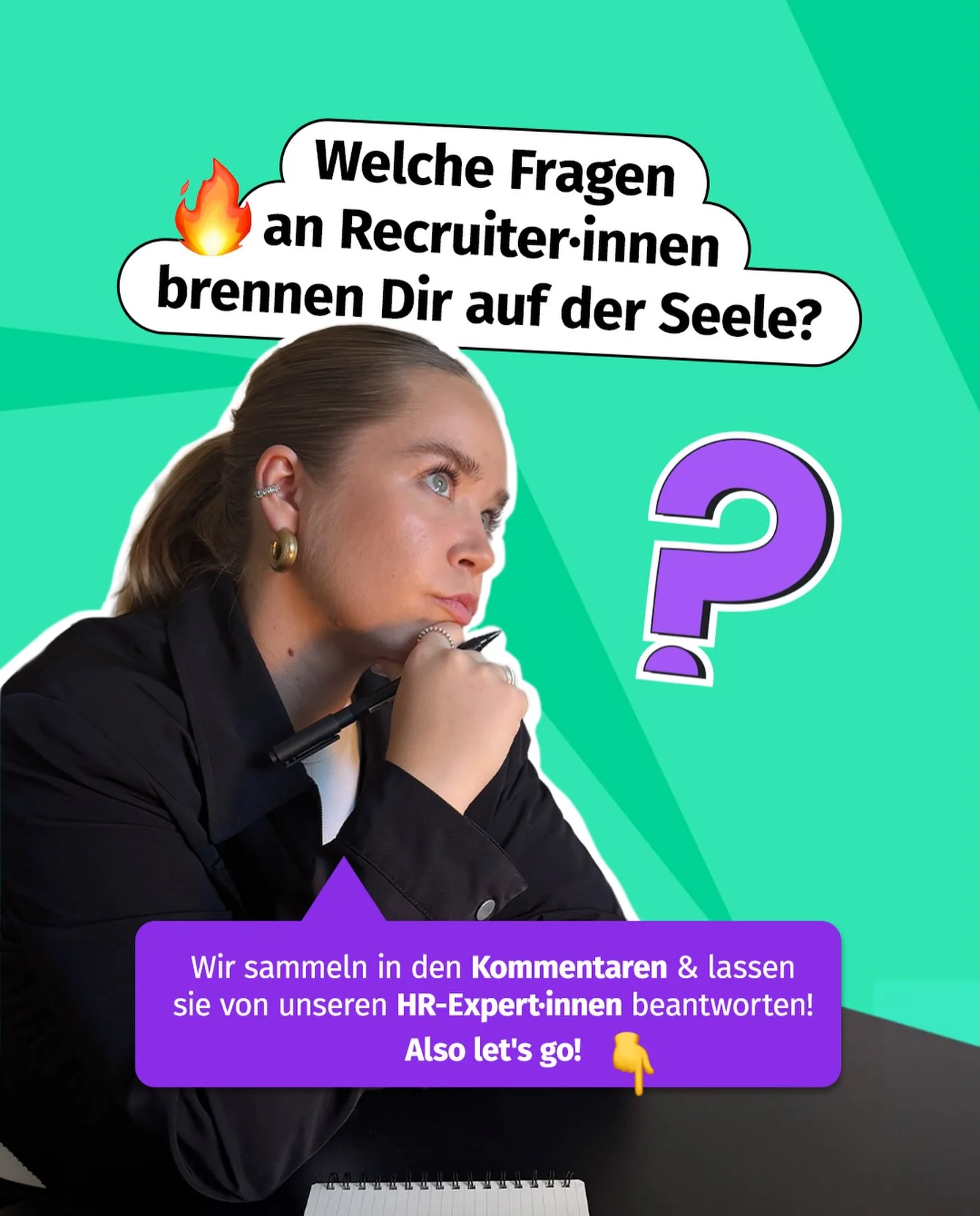
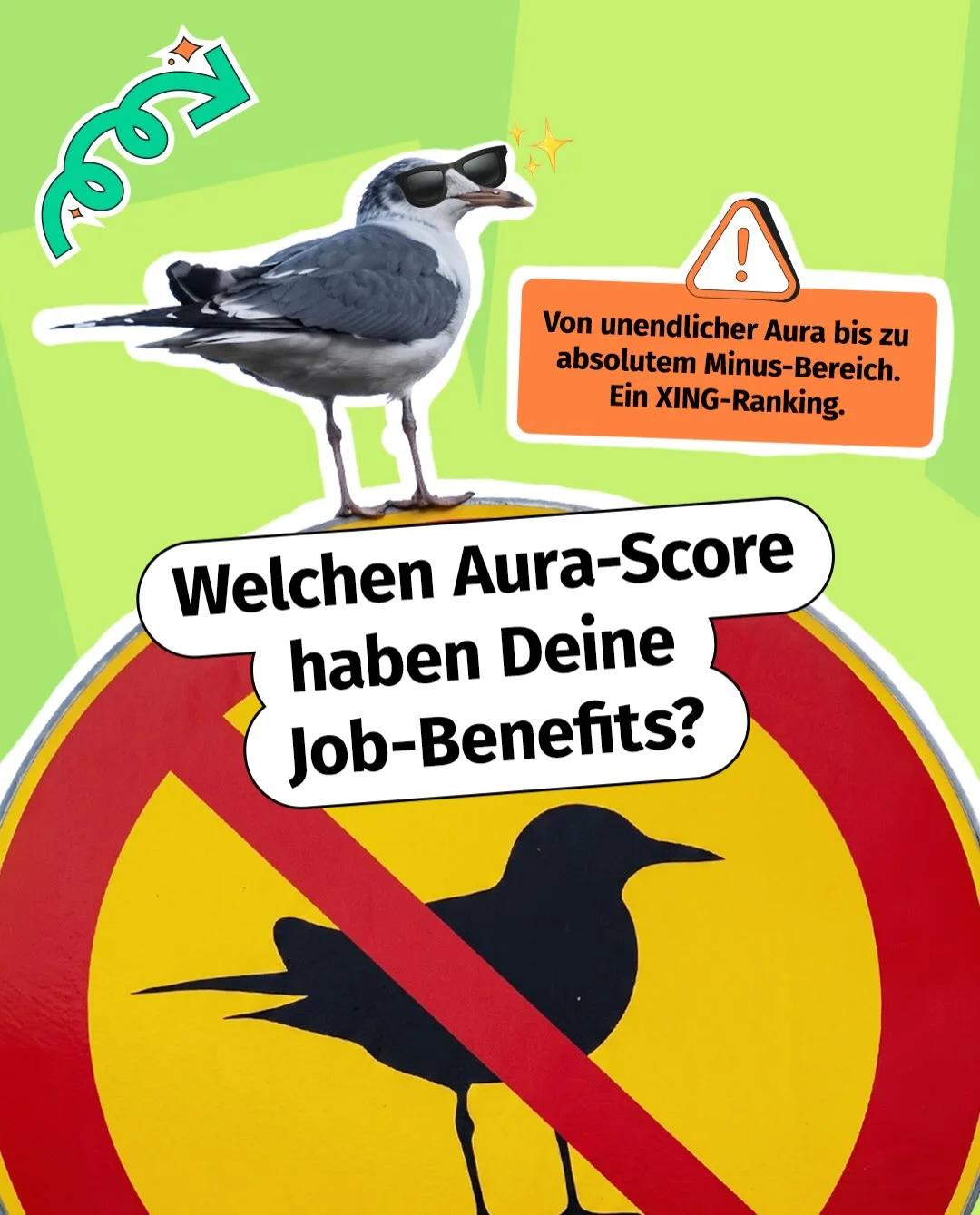
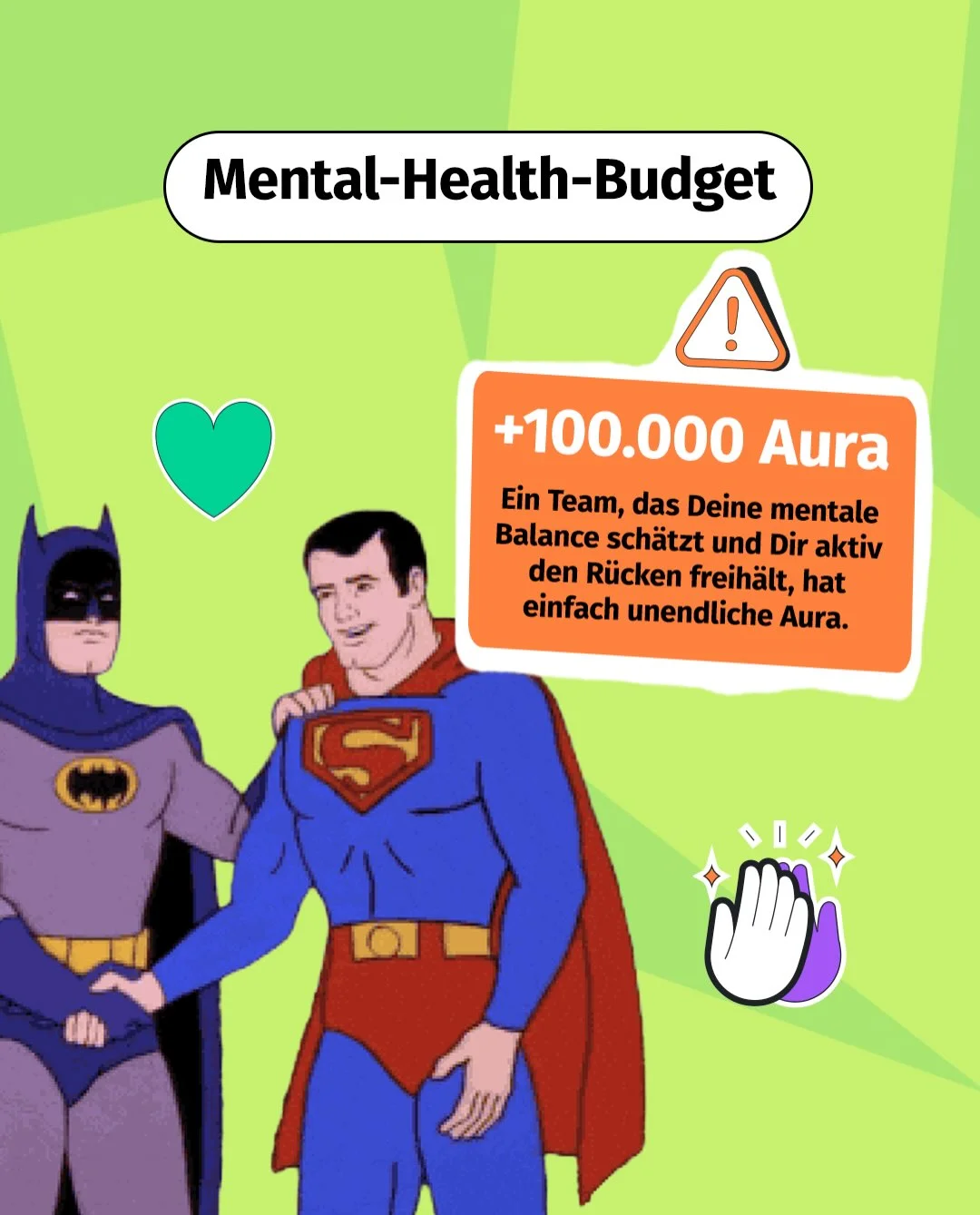
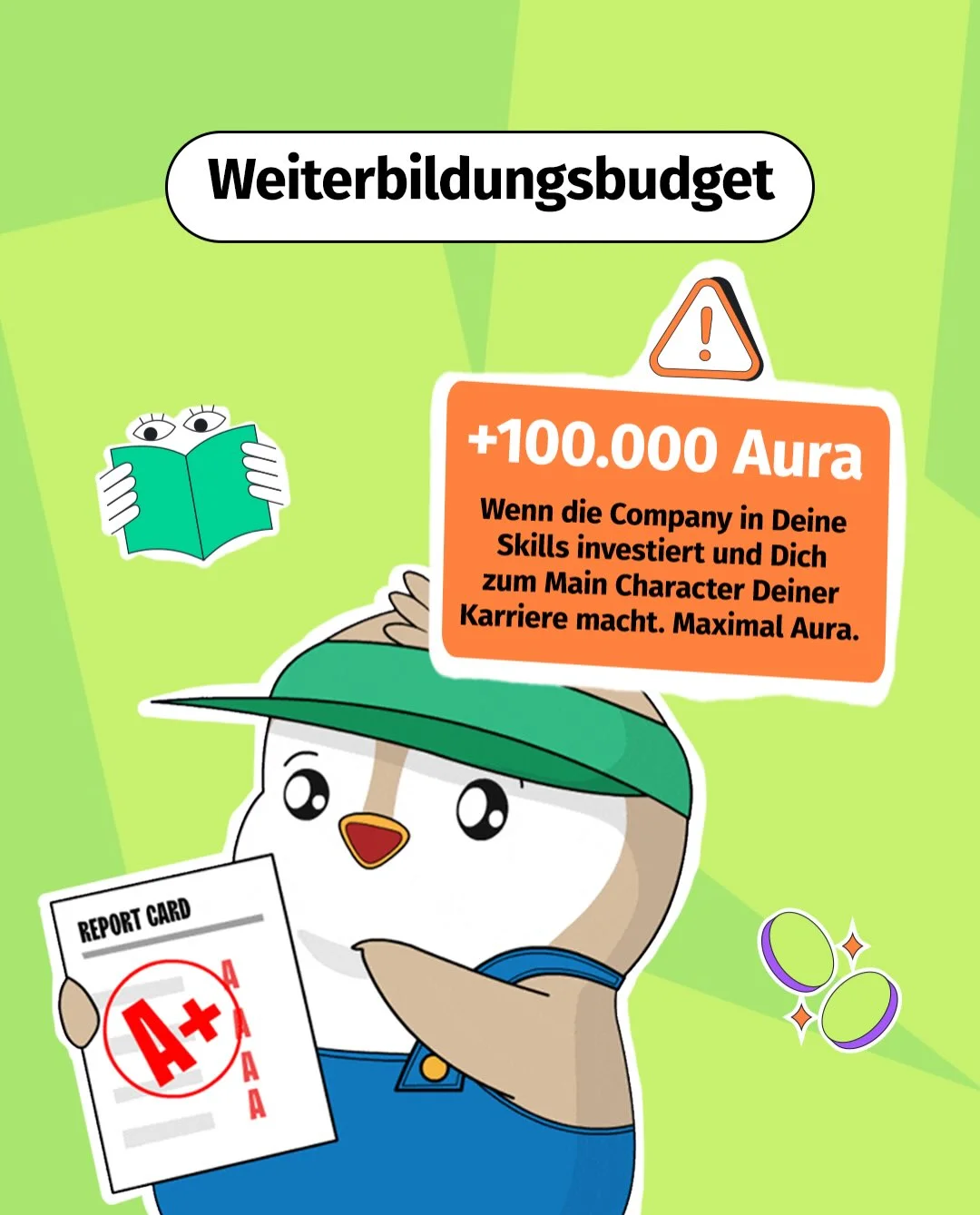
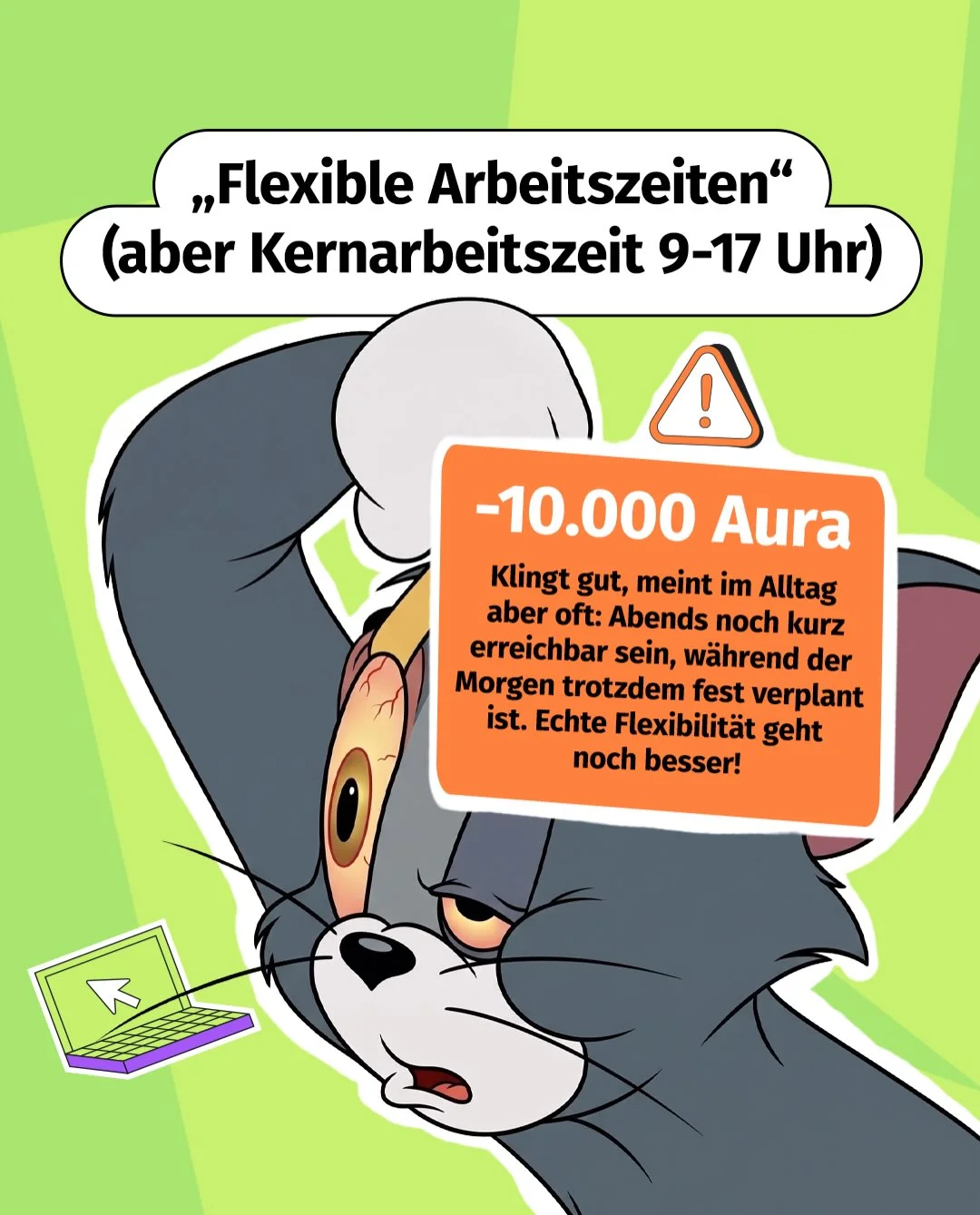
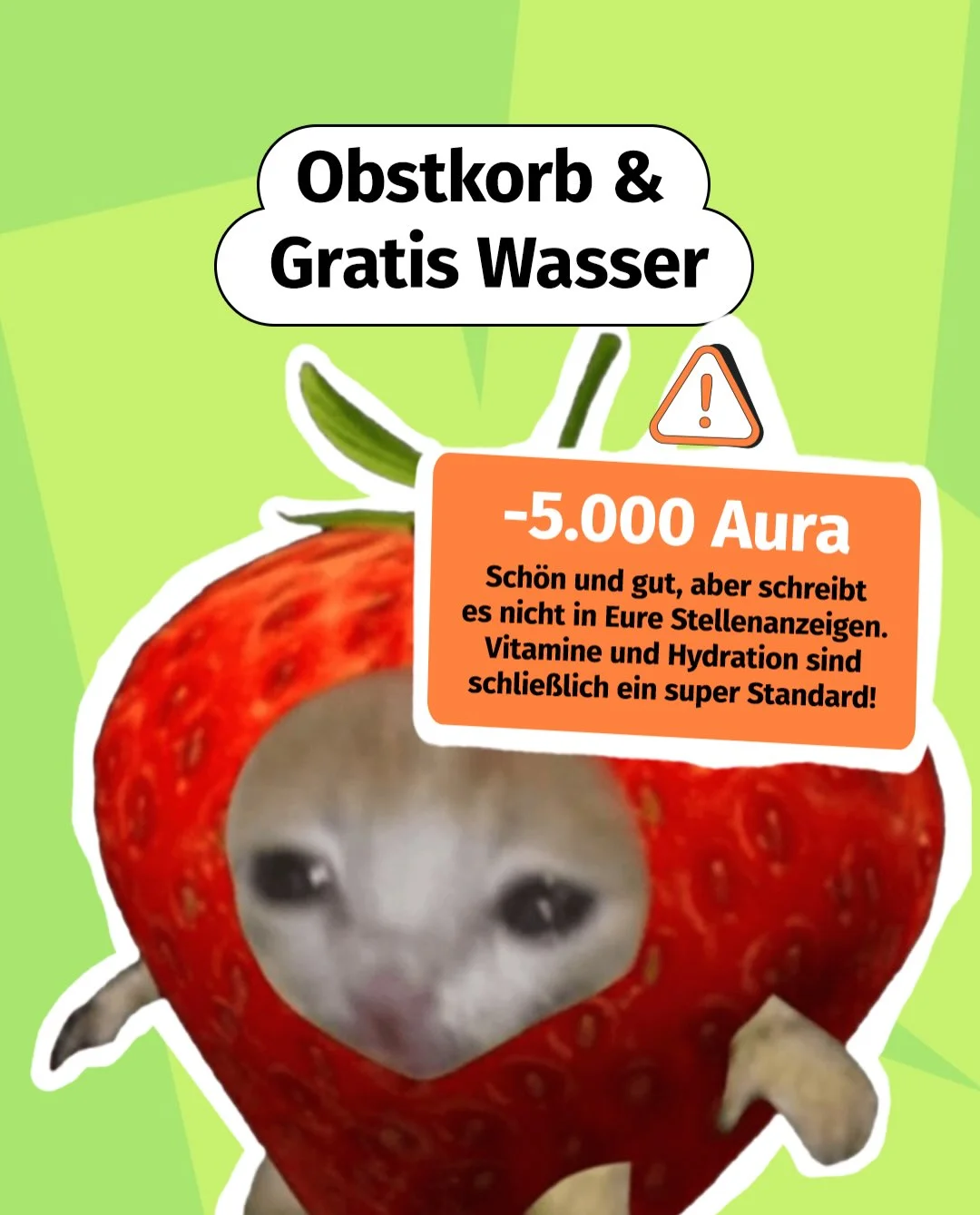
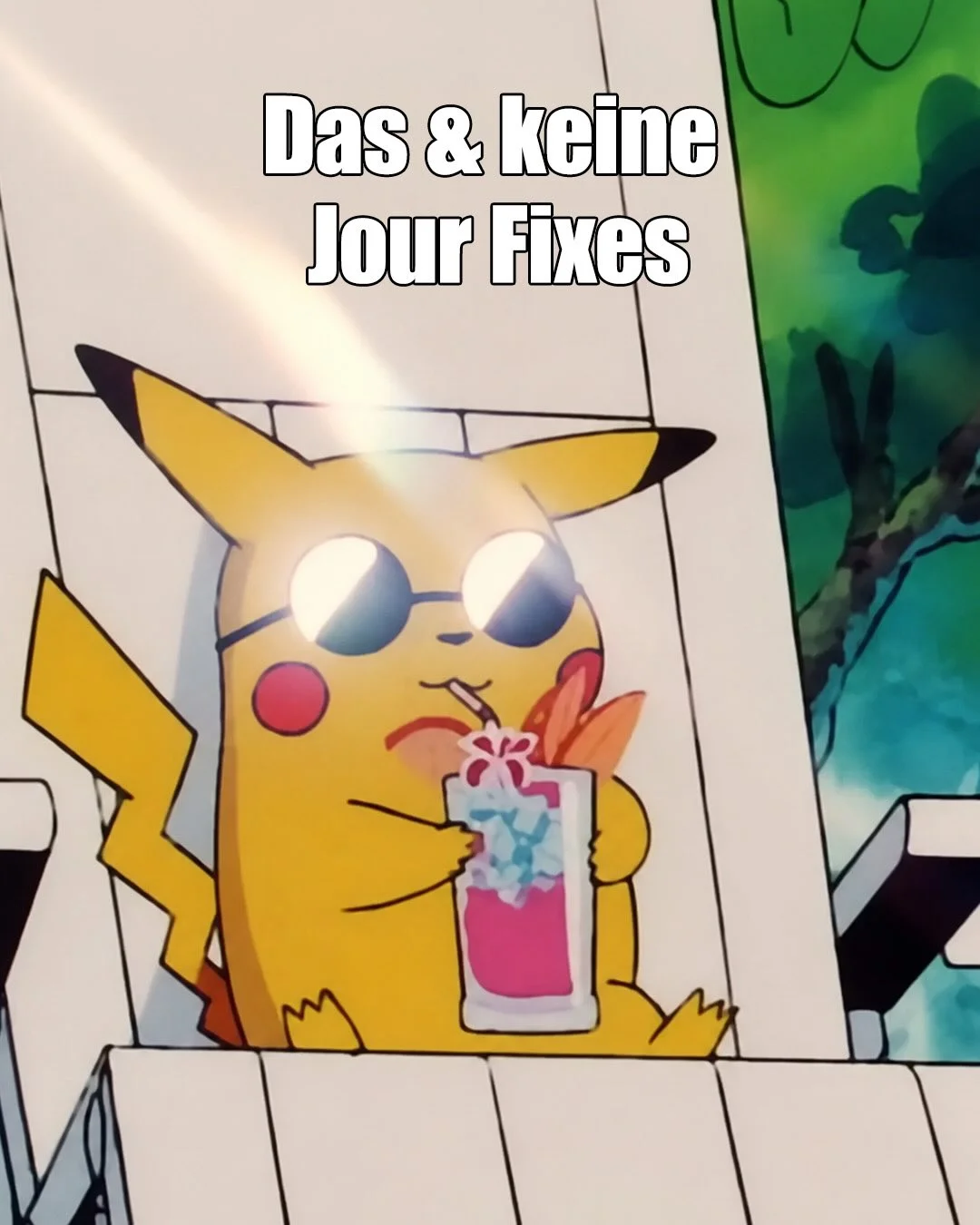
Brand faces ensure recognition and give content a human touch. This allows us to combine humor and intentionally polarizing content with career insights, guidance, and practical tips.
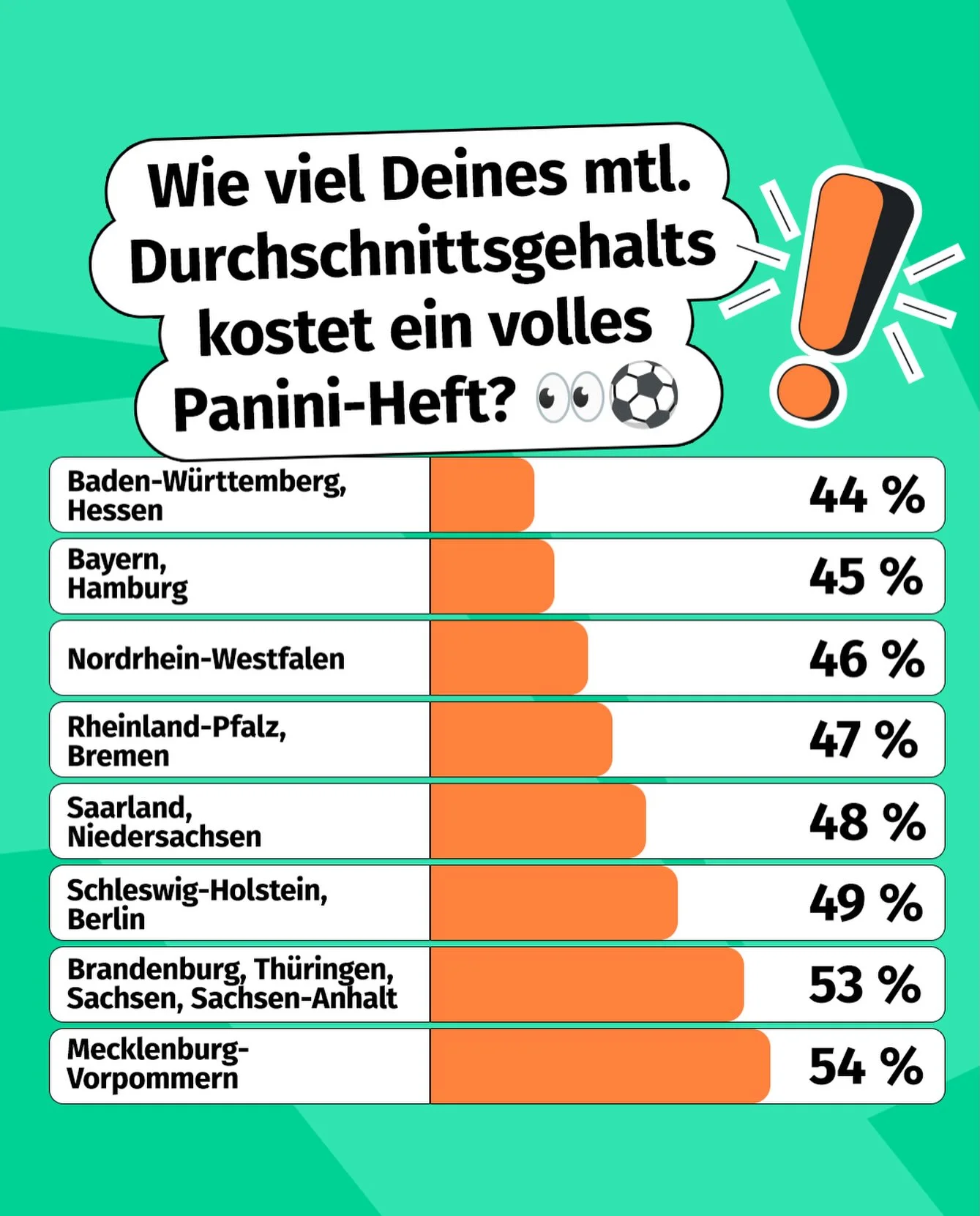
Content pillars are translated for each specific platform: TikTok focuses on entertainment and the reality of job hunting, Instagram combines relatability with career value, Threads creates space for pointed opinions, and LinkedIn for context, expertise, and recruiting. Facebook is primarily used for statistics, community polls, and relevant facts. The system is complemented by proactive community management, giving XING a bold and personal voice.
The organic strategy was further extended by an independent Meta app campaign. We created social-native ads that pick up on typical situations in everyday work and job hunting, integrating the XING app as a concrete solution within the story. Brand lift, conversion lift, and search lift studies subsequently measured how the campaign contributed to awareness, brand perception, and app usage.
Outcomes
Over the months, sentiment shifted significantly: the share of positive reactions rose from 13% in February to 71% in July, while the negative share dropped from 87% to 29%. This positive trend continued beyond the evaluated period.
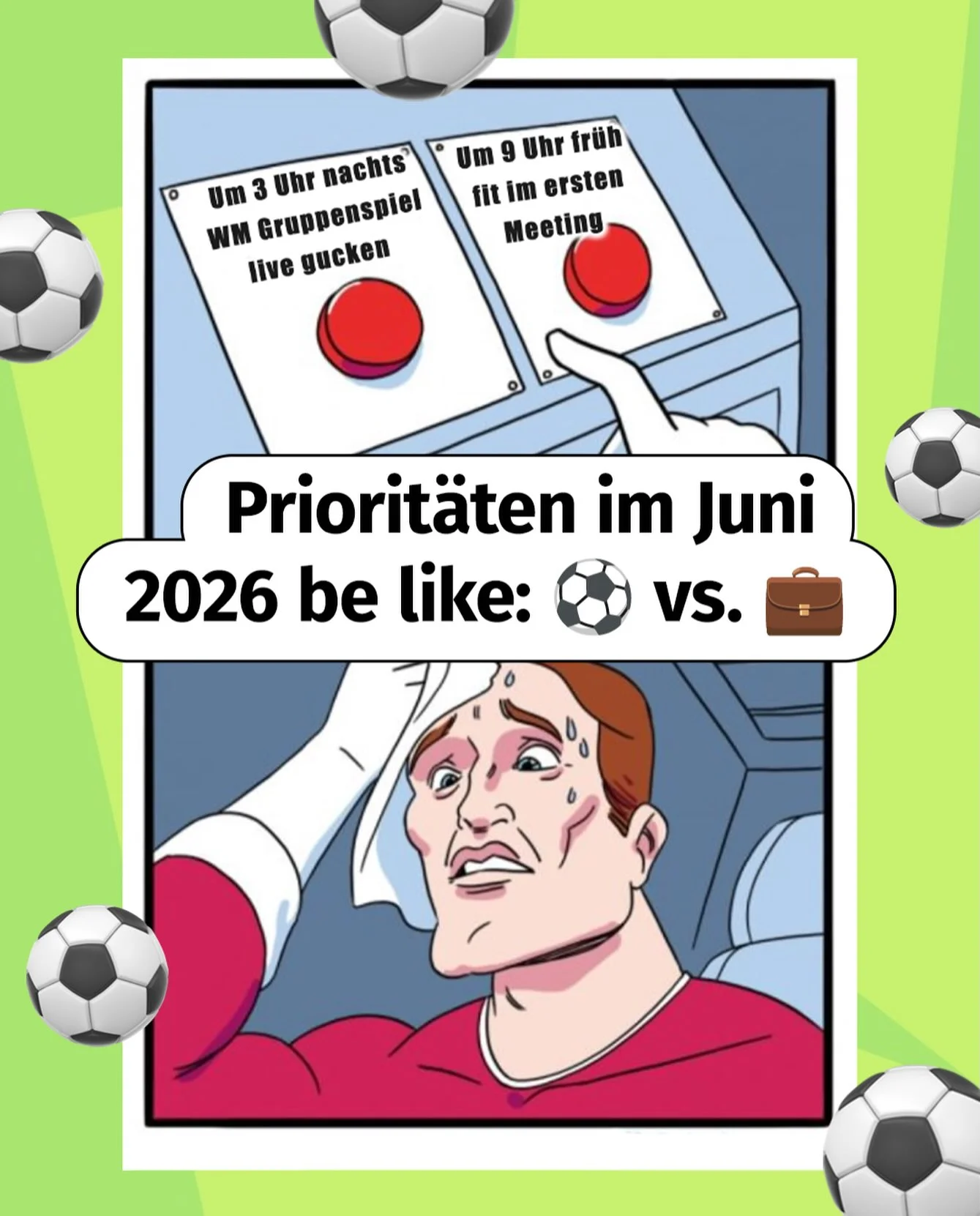
At the same time, the social audience reached became noticeably younger: 25- to 35-year-olds now form the largest age group, followed by 18- to 25-year-olds. Formats like rankings and memes are consistently among the top performers, while recurring brand faces ensure continuity and recognition. As a result, the target group structure has not only become younger but has also largely stabilized.
The lift studies confirm the impact beyond organic efforts. Ad recall increased by 9.4 percentage points, XING was mentioned more frequently as a job board, and the intent to use it for job hunting rose by 8.9 percentage points. Simultaneously, the campaign generated over 3,800 additional app installs and more than 1,100 incremental Android registrations.
This is how the all-social approach works together: organic creates relevance, recognition, and audience understanding—paid scales these learnings and translates them into measurable brand and performance effects.