





The Situation
Blue Tomato works with many touchpoints simultaneously: Meta, TikTok, YouTube, their online shop, physical stores, print, and other offline spaces. Consequently, campaigns were previously planned pragmatically: few assets, template-based execution, and reusable visuals.
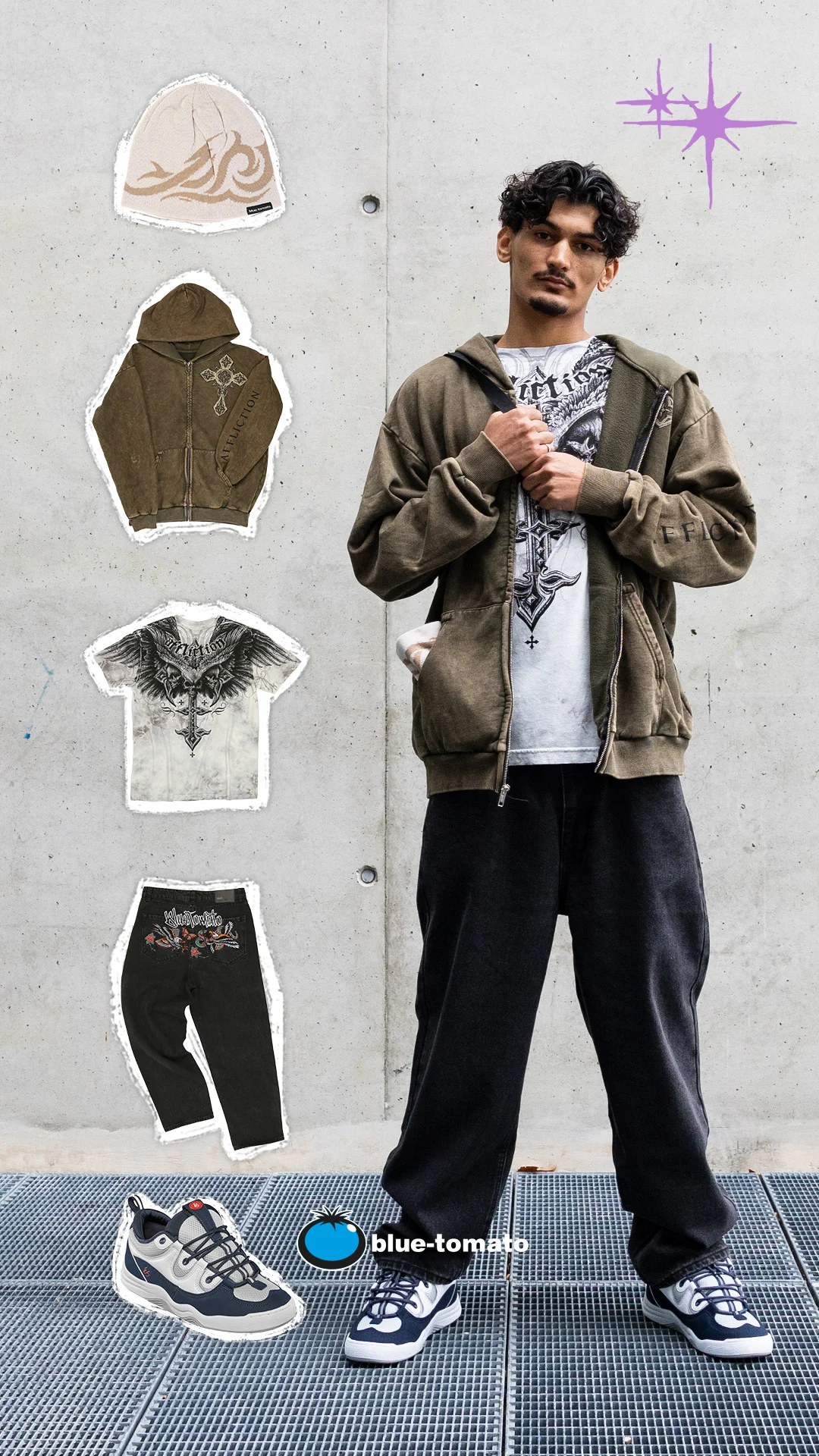
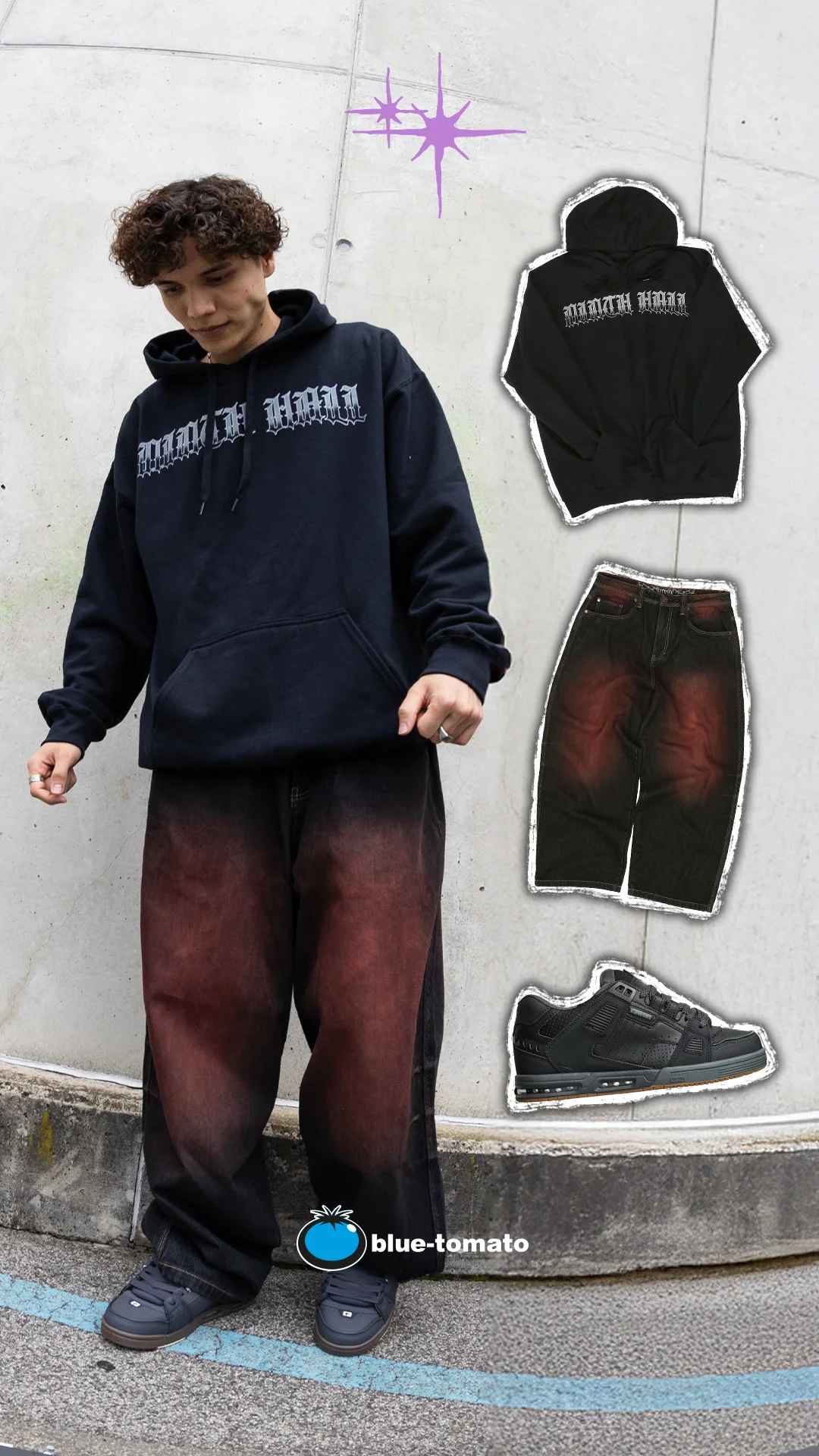
For Meta, this very efficiency became a limitation. Three to five assets provide only a few visual entry points. Especially in the context of fashion, it is not just the product that matters, but the visual context: Who is wearing the look, how is it styled, and how closely does it align with the user's own personal style?
With the Y2K grunge campaign, there was an additional factor: the trend was not intended to function as a narrow subculture narrative. Gen Z should be able to try out the style without having to "live the scene." Therefore, creative diversity became the central testing ground: more creative breadth, more relevant signals, and more potential for incremental purchases.
Implementation
Mawave developed the asset strategy, creative concepts, and briefing. Production was handled by Blue Tomato. The test was part of a test-and-learn agenda in which Mawave not only managed campaigns but systematically evaluated them for concrete learnings.
On Meta, a simple setup with a few static images was tested against a significantly broader variant: around 14 static images and seven videos. The additional breadth was created through more formats and more visual angles: different concepts, models, outfits, looks, setups, and compositions. It wasn't about creating new campaign worlds, but about having more relevant variants within a clear trend theme.
The social logic was decisive: a single look can quickly become too narrow on Meta. More creative entry points give the algorithm more signals and the target audience more opportunities to find a relatable way into the style.
The test was set up as a conversion lift study. In the Ads Manager, the variants performed almost identically. The lift analysis was therefore crucial: it separated attributed platform conversions from actual, additionally triggered purchases.
Outcomes
The more diverse creative variant led to approximately three times more incremental purchases. This made visible what was not clearly apparent in the Ads Manager: the breadth of creative assets had a measurable impact on additional conversions.
For Blue Tomato, creative diversity thus evolved from a creative principle into a performance lever. The key was not the sheer quantity of assets, but the targeted expansion of the setup to include different formats, looks, and visual entry points that make the Y2K grunge trend tangible from various perspectives.
This did not result in a larger mass of assets, but rather a creative system with more relevant touchpoints for different user motivations on Meta — and thus more potential to trigger purchase signals.
This learning is directly transferable to future campaign planning. Moving forward, creative diversity will be considered earlier in the process: through more formats, different concepts, more UGC and creator content, and greater use of in-house material from shops and local teams.